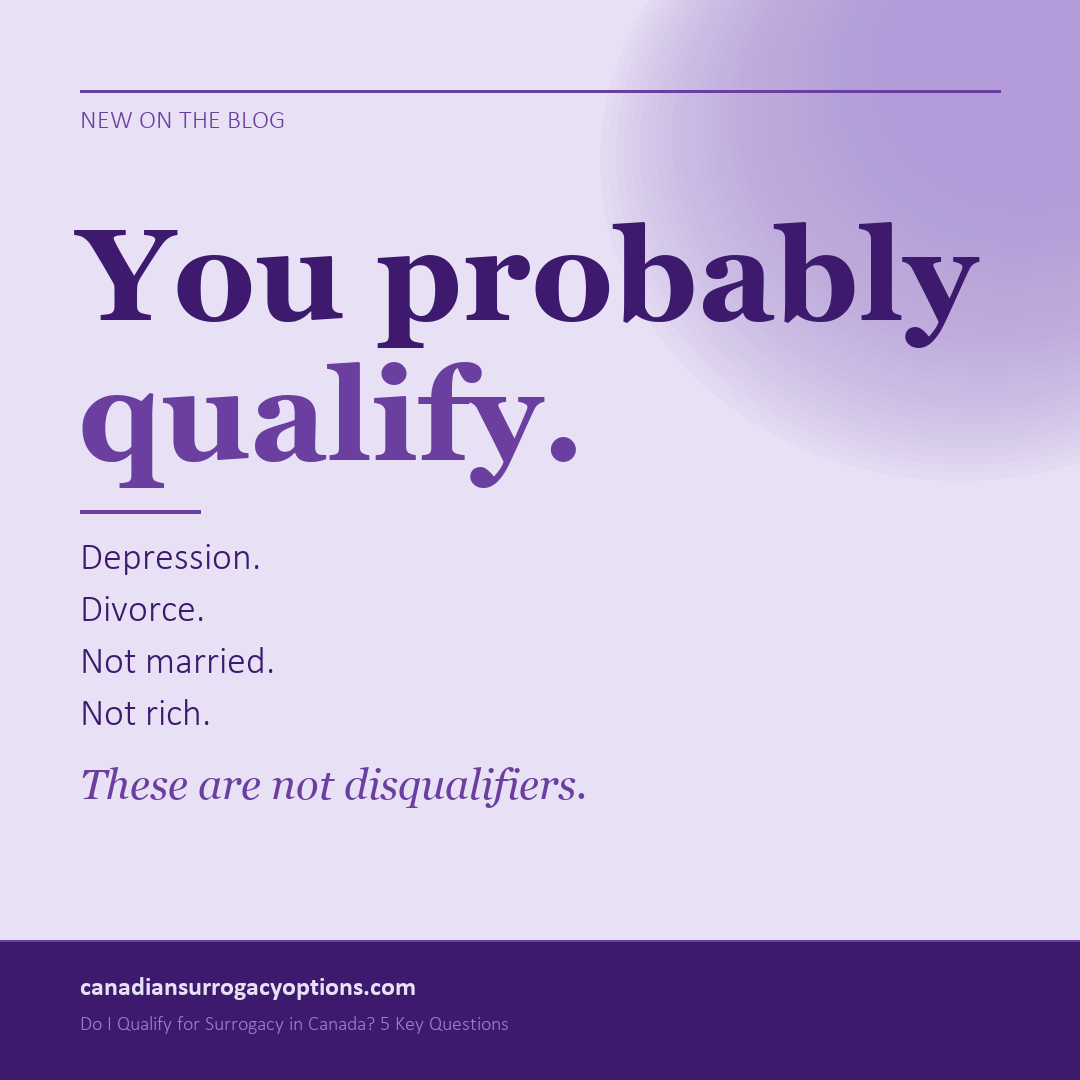
Wanting to help a family is a meaningful place to start. It is not, on its own, enough to begin a surrogacy journey.
Surrogacy asks a great deal of a person physically, emotionally, and practically. Qualification exists to protect the surrogate, the intended parents, and the baby. The goal is not to judge anyone or look for perfection. It is to make sure the journey is safe, informed, and genuinely right for the person considering it.
The medical and pregnancy-history basics
Every fertility clinic has its own protocols, but a prospective surrogate will usually be asked to show a history of at least one healthy pregnancy and birth. That experience matters: it helps a clinic understand how her body has handled pregnancy, and it means she knows firsthand what pregnancy, delivery, and recovery can involve.
Medical screening looks at the whole picture. This can include obstetric history, current health, medication, blood work, and an assessment of whether another pregnancy is medically appropriate. A prior C-section, a previous difficult pregnancy, or a managed health condition is not automatically a yes or no. The clinic looks at the specific circumstances.
Age and BMI are clinical guidelines, not a complete answer
Agencies and clinics commonly use age and BMI ranges as part of screening because both can affect pregnancy risk. The exact range is set by the clinic and can vary depending on medical history and location.
That is why an online calculator cannot tell you whether you qualify. Someone may meet a general guideline but need more review. Someone whose history is more complex may still have a productive conversation with a clinic. Medical clearance always belongs with qualified professionals.
Lifestyle and practical readiness matter too
Surrogacy requires reliability over a long period of time. Prospective surrogates need to be able to attend appointments, follow clinic protocols, communicate openly, and make space in family life for treatment, pregnancy, and recovery.
Clinics and agencies will also ask about lifestyle factors that affect a healthy pregnancy, including smoking or substance use. Honesty matters here. Screening is not about catching someone out; it is about making decisions with the full picture in front of everyone.
Your support system is part of the journey
You do not need a particular family structure to be a surrogate. But you do need people in your corner.
A partner, family member, friend, or another trusted person can make a major difference when appointments change, pregnancy is tiring, or emotions are high. If you have a partner, their understanding and support should be part of the conversation early.
The practical question is simple: when this gets hard, who is helping you carry the load?
Emotional readiness is not a box to tick
Psychological screening is an important part of responsible surrogacy. It gives you time to consider your reasons for doing this, your expectations of the relationship with intended parents, how you handle stress, and what support you will need.
Being emotionally ready does not mean never feeling nervous. It means being able to ask questions, consider the full commitment, set boundaries, and make a decision that is yours.
Canada and the United States: the framework is different
Surrogacy is governed differently across Canada and the United States. Canadian arrangements operate within Canada’s federal framework and provincial parentage rules; U.S. requirements and legal pathways can vary significantly by state and by clinic.
That is one reason reputable agencies coordinate closely with fertility clinics and independent legal counsel. The right pathway depends on where the surrogate lives, where treatment occurs, and the details of the arrangement. Individual legal and medical advice should always come from the professionals working on your journey.
Qualification is more than wanting to help
The desire to help a family is real and valuable. But readiness brings together health, pregnancy history, stability, practical support, informed consent, and the capacity to stay present through a long process.
If you are wondering whether you might qualify, you do not need to have every answer before reaching out. The next step is a calm, honest conversation about your situation and what screening would look like.
Ready to start your journey?
Book a free 30-minute call with Robyn. No commitment, no pressure. Just the information you need to take your next step with confidence.
Book Now →Or send a message
Not ready to book a call? Send Robyn a message directly — she reads every one.